

A Bali holiday is not only about beautiful beaches, tropical weather, and relaxing days by the swimming pool. It is also an opportunity to discover the island through its local food, traditional markets, and fresh tropical produce. Among the many culinary experiences Bali has to offer, tasting locally grown tropical fruits is one of the simplest and most enjoyable ways to experience everyday island life.
Thanks to Bali’s warm tropical climate and fertile volcanic soil, the island produces a wide variety of fruits throughout the year. From sweet and refreshing mangoes to the distinctive taste of salak, also known as snake fruit, many local fruits offer flavours and textures that visitors may not encounter regularly at home.
Whether you are exploring traditional markets, enjoying breakfast at your private villa, or stopping at a local fruit stall around Seminyak, trying fresh tropical fruit can add something special to your Bali holiday. Here are 12 local fruits worth discovering during your stay.
1. Salak (Snake Fruit)
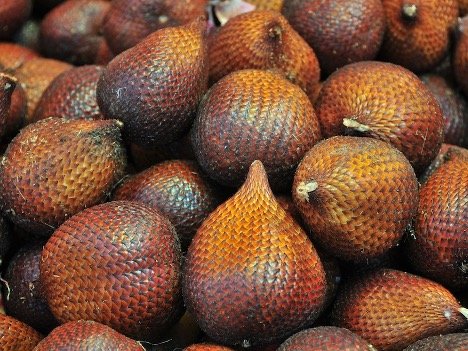
Salak, commonly known as snake fruit, is one of the most recognisable tropical fruits in Indonesia. Its name comes from the reddish-brown skin, which has a distinctive scale-like appearance resembling snake skin. Once peeled, the fruit reveals several pale segments with a crisp texture and a flavour that combines sweetness with a slight tanginess.
Salak is particularly interesting for first-time visitors because its texture is different from many familiar fruits. It is firm, slightly crunchy, and easy to eat without much preparation. Bali is also known for Salak Bali, with Salak Sibetan from Karangasem being one of the island’s well-known varieties.
For travellers enjoying a Bali holiday, salak is an excellent fruit to try at a traditional market or purchase from a local fruit vendor. It is also convenient to enjoy as a light snack between sightseeing activities.
2. Mangosteen
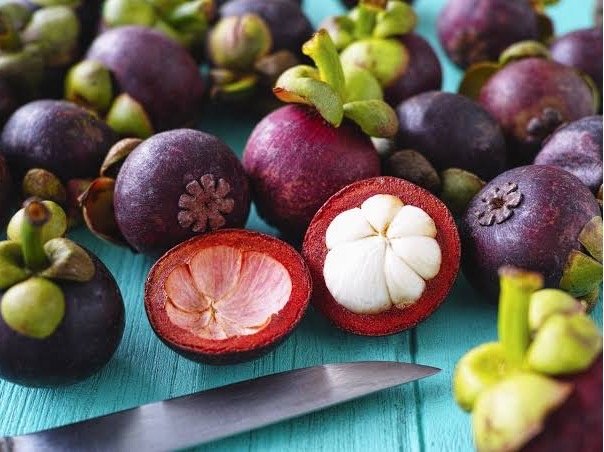
Often called the queen of fruits, mangosteen is loved for its delicate sweetness and refreshing flavour. Its thick purple outer skin protects soft, white segments inside, which have a juicy texture and a gentle balance of sweetness and acidity.
Mangosteen is especially enjoyable when served chilled on a warm tropical afternoon. The fruit is not overly sweet, making it a refreshing option after spending time outdoors or exploring Bali’s beaches.
Although mangosteen availability depends on the season, it is commonly associated with Indonesia’s tropical fruit harvest. Visitors may find it at traditional markets, fruit shops, and local vendors, particularly during the main harvest period.
3. Rambutan
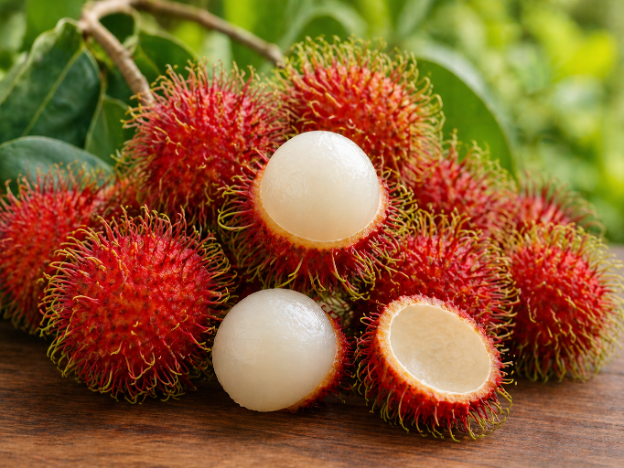
Rambutan is a colourful tropical fruit that immediately catches the eye. Its red or yellow skin is covered with soft, hair-like strands, while the inside contains translucent white flesh surrounding a central seed.
The flavour is sweet, juicy, and refreshing, with a texture somewhat similar to lychee. Despite its unusual appearance, rambutan is easy to enjoy once peeled. Simply open the outer skin and eat the soft flesh inside.
During certain fruit seasons, rambutan can be found in large quantities at local markets across Bali. It is an enjoyable fruit to share with family and friends, especially when served fresh as part of a tropical breakfast or afternoon snack.
4. Mango
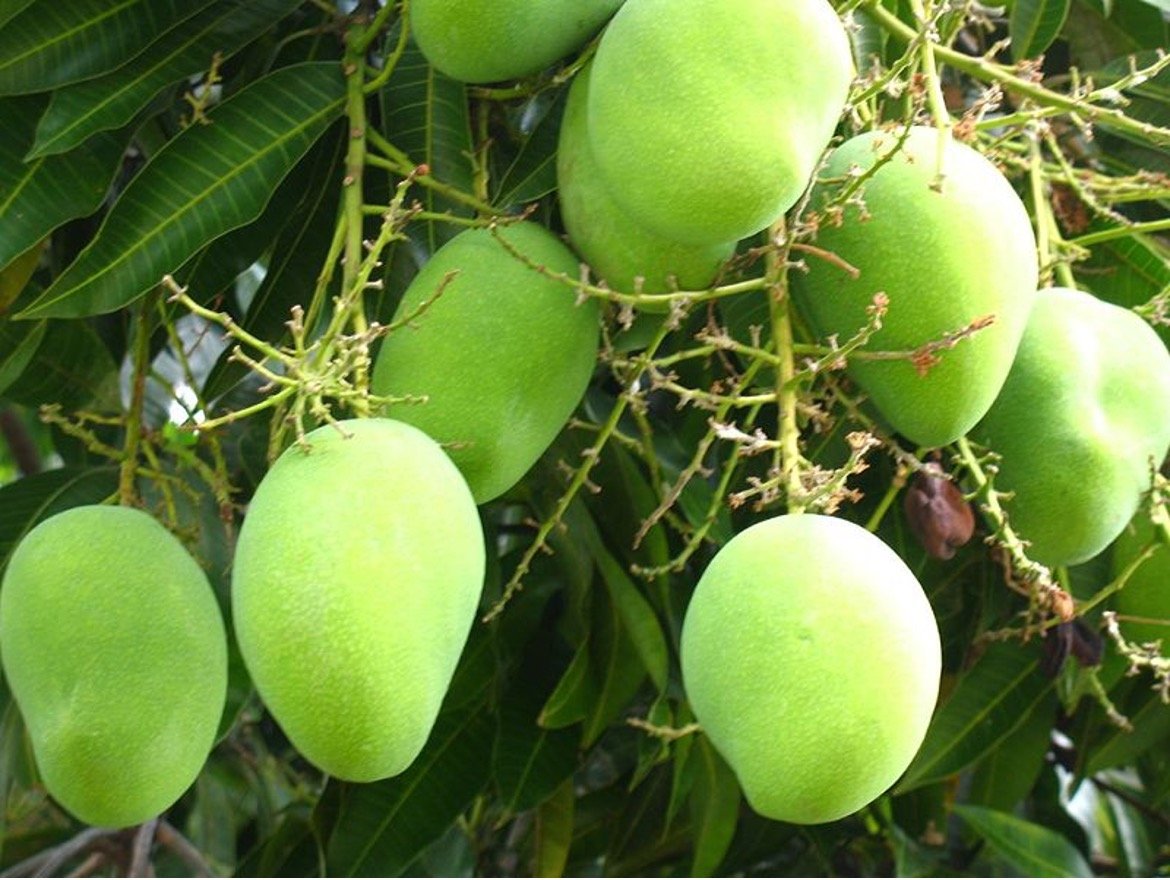
Mango is one of the most familiar tropical fruits, but tasting a locally grown mango in Bali can be a different experience. Depending on the variety and ripeness, Balinese mangoes can be exceptionally sweet, fragrant, and juicy.
Mangoes are commonly enjoyed fresh, sliced into small pieces, blended into smoothies, or served as part of a fruit platter. Their natural sweetness makes them a popular breakfast choice, particularly when paired with yoghurt or other tropical fruits.
For visitors staying in Seminyak, fresh mango is relatively easy to find at supermarkets, fruit shops, and traditional markets. It is a simple way to enjoy the flavours of the tropics without having to travel far from your accommodation.
5. Dragon Fruit
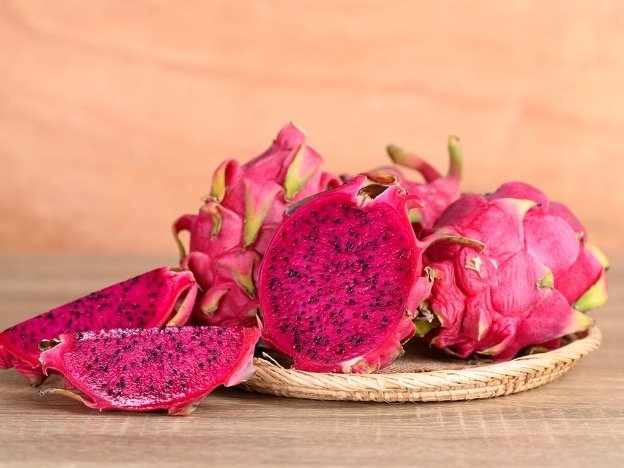
Dragon fruit, known for its vibrant pink or yellow skin and distinctive appearance, is another popular fruit found throughout Bali. The most familiar variety has white or deep magenta flesh dotted with tiny black seeds.
Its flavour is mild and subtly sweet, with a refreshing texture similar to a combination of kiwi and pear. Dragon fruit also has a high water content, making it particularly enjoyable in Bali’s warm weather.
You will often find dragon fruit served in smoothie bowls, fresh juices, fruit platters, and breakfast menus at cafés around Seminyak. It is a colourful addition to a relaxed tropical breakfast before heading out to explore the island.
6. Banana
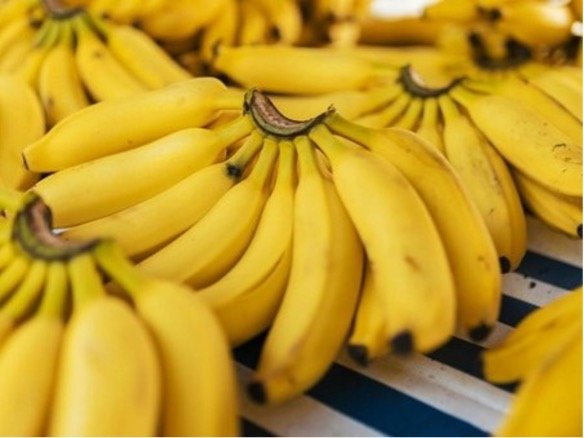
Bananas are an everyday staple across Bali and come in several varieties, each with its own flavour and texture. Some are small and particularly sweet, while others are larger and commonly used in traditional Indonesian cooking.
Beyond eating them fresh, bananas are also used in many local snacks and desserts. Pisang goreng, or fried banana, is a popular Indonesian treat, while banana-leaf wrapping is commonly used to prepare and serve various traditional foods.
During your Bali holiday, you may encounter bananas at breakfast, local food stalls, traditional markets, and roadside shops. Their versatility makes them one of the easiest local fruits to discover.
7. Papaya
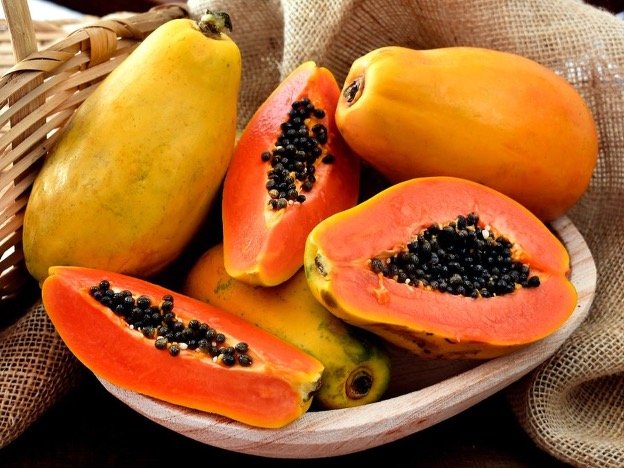
Papaya is widely enjoyed in Bali, particularly as part of a tropical breakfast. When ripe, its orange flesh is soft, naturally sweet, and easy to eat. Its mild flavour makes it a pleasant option for visitors who prefer something light and refreshing.
Papaya is commonly served sliced alongside watermelon, pineapple, banana, and other seasonal fruits. Many hotels, cafés, and private villas include fresh papaya in their breakfast selections.
For families travelling with children, papaya can also be a convenient fruit to enjoy between activities. It is easy to prepare and works well as part of a simple fruit platter.
8. Pineapple
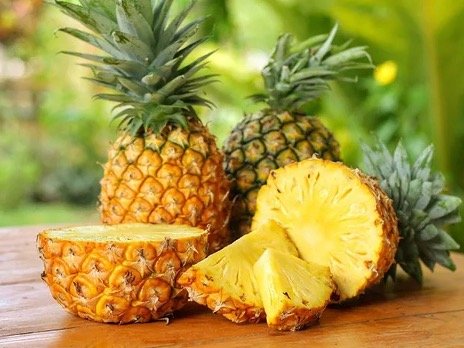
Fresh pineapple is a favourite throughout tropical Indonesia, and Bali is no exception. Known for its bright yellow flesh, juicy texture, and sweet-tangy flavour, pineapple is particularly refreshing when served cold.
Unlike some imported fruit products, freshly cut pineapple offers a naturally vibrant taste that works well in juices, smoothies, and fruit salads. It is also frequently used in Indonesian-style fruit dishes and traditional food preparations.
Visitors can find fresh pineapple at traditional markets and fruit stalls, while many cafés in Seminyak serve it in tropical drinks and breakfast bowls. It is an excellent choice after a morning walk along the beach or a relaxing afternoon by the pool.
9. Passion Fruit
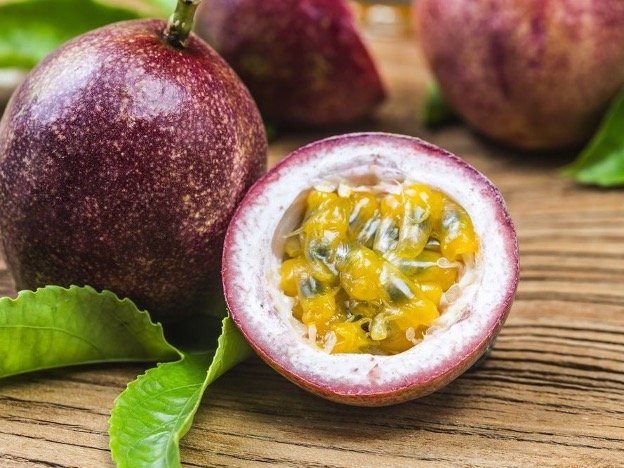
Passion fruit is known for its aromatic fragrance and distinctive sweet-and-sour flavour. Its outer skin can be purple or yellow, while the inside contains juicy pulp filled with small edible seeds.
The flavour is more intense than many other tropical fruits, making passion fruit particularly popular in fresh juices, smoothies, desserts, and breakfast dishes. A small amount can add a refreshing tropical character to a drink or fruit bowl.
During your stay in Bali, look for passion fruit at fresh juice bars, cafés, and fruit shops. It is a great option for travellers who enjoy fruits with a more noticeable tangy flavour.
10. Jackfruit
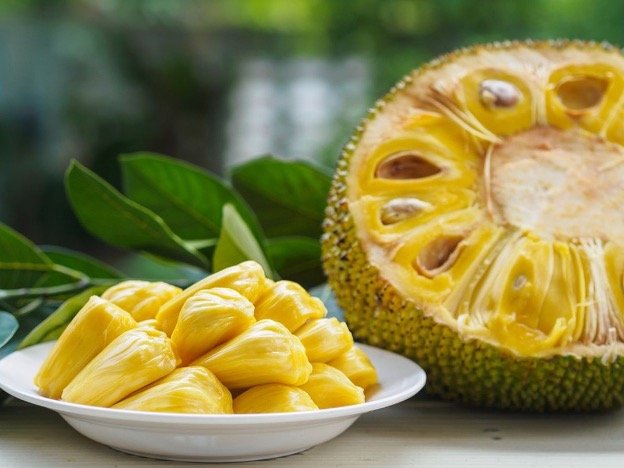
Jackfruit is one of the largest tropical fruits in the world and is widely used in Indonesian cuisine. Its thick green or yellow outer skin protects numerous golden-yellow fruit segments, each with a sweet aroma and a soft, slightly chewy texture.
Ripe jackfruit is commonly eaten fresh or used in desserts and traditional sweets. Its distinctive fragrance and flavour make it an interesting fruit for visitors who want to explore something beyond the more familiar tropical varieties.
Jackfruit also has an important role in Indonesian cooking. Young, unripe jackfruit is used in savoury dishes, including traditional preparations such as gudeg, which is particularly associated with Yogyakarta.
11. Watermelon
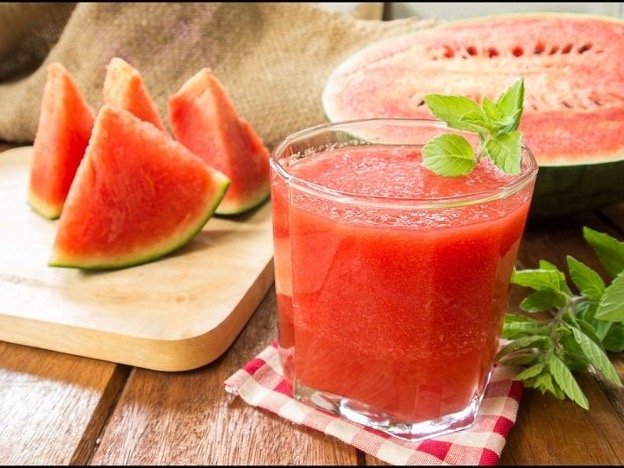
Watermelon is one of the most refreshing fruits to enjoy during a Bali holiday. With its high water content, naturally sweet flavour, and crisp texture, it is particularly suitable for Bali’s warm and humid climate.
It is commonly served chilled, sliced into convenient portions, or blended into fresh juice. Watermelon is also a popular ingredient in tropical fruit platters and breakfast menus.
For visitors spending time around Seminyak Beach, a refreshing watermelon juice or freshly cut watermelon can be a simple way to cool down after enjoying the sunshine.
12. Soursop (Graviola)
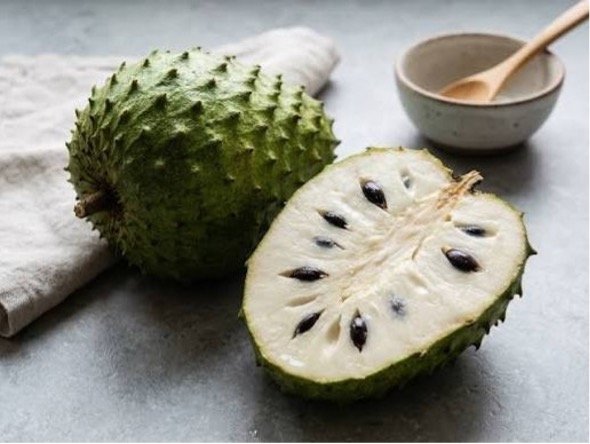
Soursop, also known as graviola, is a tropical fruit with green, spiky skin and soft white flesh. Its flavour is distinctive, combining sweet and slightly sour notes that are sometimes compared to a mixture of pineapple and citrus.
The flesh has a soft, creamy texture, making it particularly suitable for fresh juices, smoothies, and desserts. Soursop is also used in various Indonesian fruit preparations.
Although it may not be as widely available as bananas or papaya, visitors can occasionally find fresh soursop at traditional markets and specialist fruit vendors. It is worth trying if you enjoy discovering less familiar tropical flavours.
Where to Find Fresh Tropical Fruits During Your Bali Holiday
One of the best ways to discover local fruits in Bali is by visiting traditional markets. These markets offer a glimpse into everyday Balinese life, with colourful displays of fresh produce, local ingredients, spices, and traditional snacks.
In and around Seminyak, visitors can explore local fruit shops, supermarkets, and traditional markets to find seasonal produce. Seminyak is also home to numerous cafés and restaurants that incorporate tropical fruits into their breakfast menus, smoothies, fresh juices, and desserts.
For a more relaxed experience, consider purchasing a selection of fresh fruits to enjoy at your accommodation. If you are staying in a private villa, you can create your own tropical breakfast or enjoy freshly cut fruit beside the swimming pool without having to leave your villa.
Enjoy a Taste of Bali During Your Stay at Villa Bugis Seminyak
A memorable Bali holiday is about more than visiting popular attractions. It is also about enjoying the island’s everyday pleasures, from discovering traditional food and fresh tropical produce to experiencing the relaxed atmosphere of local neighbourhoods.
Located in the heart of Seminyak, Villa Bugis offers a comfortable private villa experience within easy reach of local restaurants, cafés, shopping areas, and Seminyak’s popular beach destinations. After exploring the island or discovering new local flavours, you can return to your private villa, unwind in the tropical garden, and enjoy a relaxing afternoon by the swimming pool.
Whether you are travelling as a couple, with friends, or with family, staying in a private villa gives you the flexibility to enjoy Bali at your own pace.
Make your next Bali holiday more memorable by experiencing the island beyond its beaches. Discover its tropical flavours, explore its local culture, and enjoy the comfort of a private villa in Seminyak.
Planning your next Bali holiday? Explore the private villas at Villa Bugis Seminyak and book directly through our website to enjoy our guaranteed best available rates. You can also contact our reservation team for assistance in finding a villa that suits your holiday needs.
Book direct & save more:
📩 info@villabugis.com
📞 +62 812-3683-2838
📍 The Ideal Holiday Villas in Seminyak, Bali


