
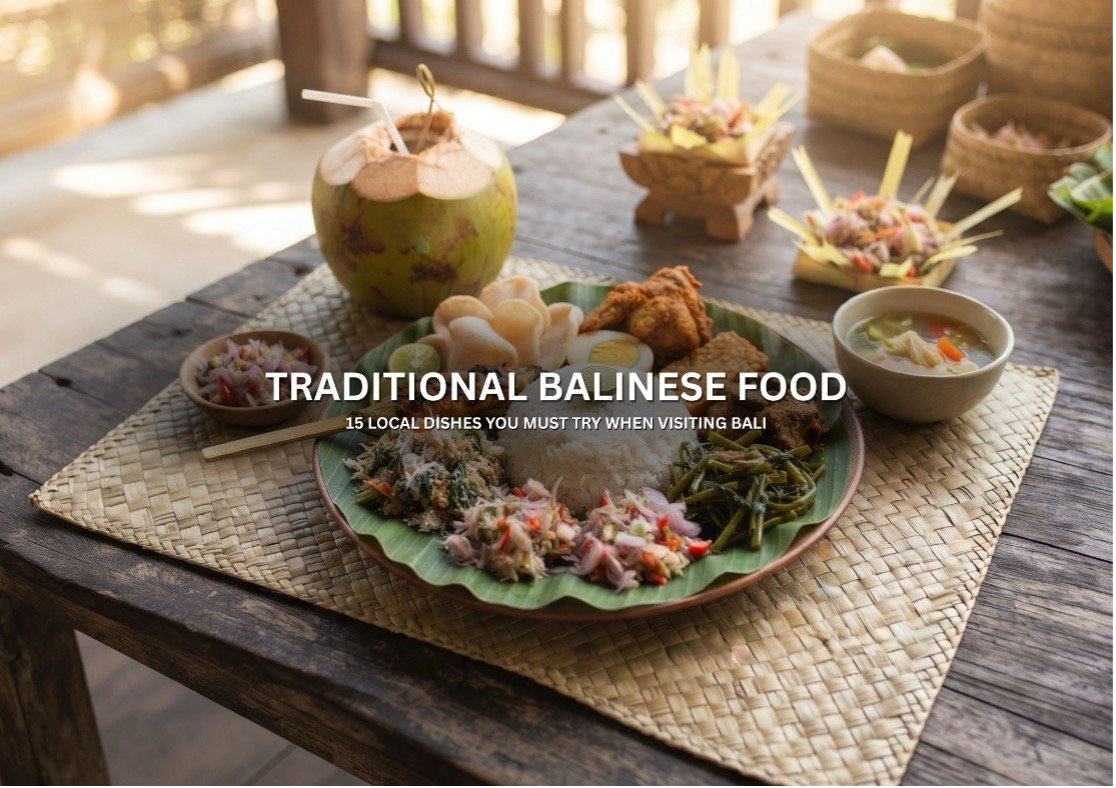
A trip to Bali is about more than beautiful beaches, tropical landscapes, and relaxing days by the pool. One of the best ways to experience the island is through its traditional food. From richly spiced slow-cooked chicken to freshly grilled satay and colourful local desserts, Balinese cuisine offers a variety of flavours that reflect the island’s culture, ingredients, and culinary traditions.
Traditional Balinese food is known for its aromatic spices, fresh herbs, grated coconut, and distinctive sambal. Many dishes are prepared using base genep, a traditional Balinese spice paste made with ingredients such as shallots, garlic, turmeric, ginger, galangal, and other local spices. These ingredients create the complex flavours that make Balinese cooking different from other regional cuisines in Indonesia.
Whether you are visiting Bali for the first time or returning for another holiday, exploring local food is an enjoyable way to discover the island beyond its tourist attractions. You can experience traditional dishes at family-run warungs, local markets, and restaurants throughout Bali, including the popular holiday destination of Seminyak.
If you are wondering what traditional Balinese food to try during your visit, here are 15 local dishes worth adding to your culinary itinerary.
1. Babi Guling: Traditional Balinese Roast Pork
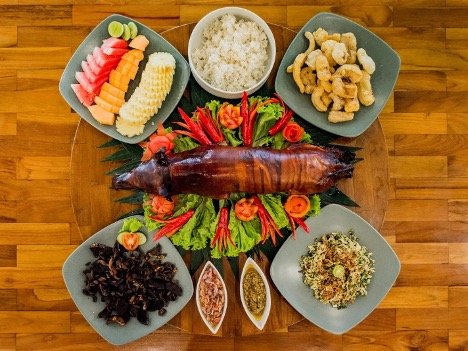
Babi guling is one of the most famous traditional Balinese dishes and is often considered a signature of the island’s cuisine. The dish consists of a whole pig seasoned with a mixture of Balinese spices, then slowly roasted over an open fire until the skin becomes golden and crispy while the meat remains tender and flavourful.
The seasoning often includes turmeric, coriander, lemongrass, garlic, shallots, and other aromatic ingredients. Traditionally associated with religious ceremonies and special gatherings, babi guling has also become a popular everyday meal served at specialist local eateries.
A typical serving may include slices of roast pork, crispy skin, rice, lawar, and sambal. The combination of crunchy skin, tender meat, and fragrant spices creates a rich and satisfying meal.
For visitors exploring traditional Balinese food, babi guling is a dish worth experiencing. It is widely available at dedicated babi guling warungs, although recipes and accompanying dishes vary between establishments.
Good to know: Babi guling contains pork and is not suitable for those following a halal diet.
2. Ayam Betutu: Slow-Cooked Balinese Spiced Chicken
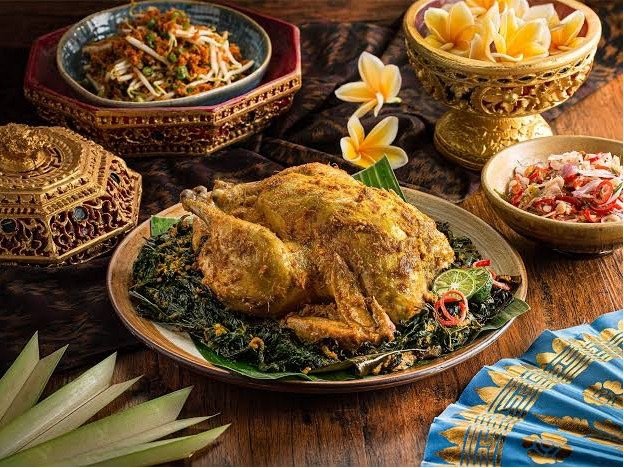
Ayam betutu is a traditional chicken dish recognised for its rich seasoning and slow cooking process. The chicken is coated or filled with a fragrant spice mixture, often featuring the traditional base genep, before being wrapped in leaves and cooked until the meat becomes tender.
The long cooking process allows the spices to penetrate the chicken, producing a deeply savoury flavour with aromatic notes of ginger, turmeric, garlic, and galangal. Depending on the recipe, ayam betutu can range from moderately spiced to quite hot.
The dish is commonly served with steamed rice and vegetable accompaniments, making it a complete meal for lunch or dinner. Some versions are particularly spicy, so visitors who prefer milder flavours can ask about the seasoning before ordering.
Ayam betutu is an excellent introduction to Balinese cuisine because it showcases the island’s traditional spice combinations and cooking techniques in one dish.
3. Bebek Betutu: Traditional Slow-Cooked Duck
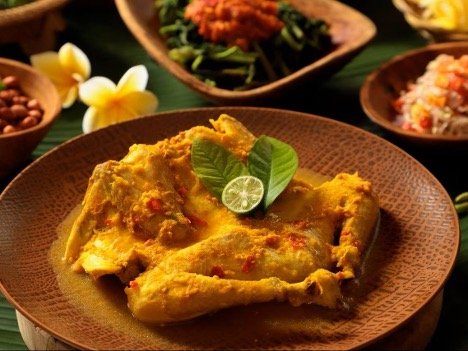
Bebek betutu is the duck version of betutu and is known for its tender texture and aromatic spices. Traditionally, the duck is carefully seasoned, wrapped in leaves, and cooked slowly for several hours so the flavours develop throughout the meat.
Compared with chicken, duck has a richer flavour that pairs particularly well with Balinese spices. When prepared using traditional methods, the meat becomes soft and absorbs the fragrant seasoning.
Bebek betutu is often associated with special meals and traditional cooking, although it can also be found at restaurants specialising in Balinese cuisine. Because preparation takes time, some establishments require advance notice when serving whole ducks.
For travellers who enjoy exploring local food, bebek betutu offers a different way to experience the island’s traditional cooking beyond the more familiar chicken dishes.
4. Sate Lilit: Balinese Minced Satay
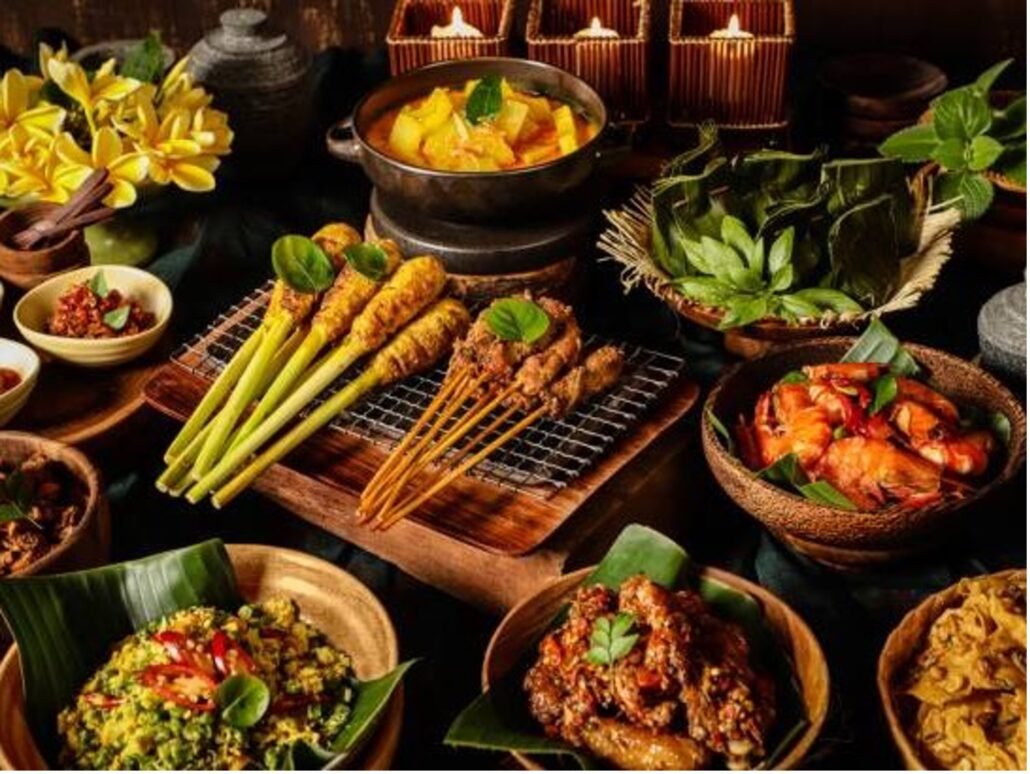
Sate lilit is one of the most distinctive examples of traditional Balinese food. Unlike satay made from chunks of meat threaded onto skewers, sate lilit uses minced or finely ground ingredients mixed with grated coconut, herbs, and spices.
The mixture is shaped around a flat bamboo stick or a stalk of lemongrass before being grilled over charcoal. As it cooks, the outside develops a lightly smoky flavour while the inside remains moist and tender.
Fish is a popular ingredient, particularly in coastal areas, although chicken and pork versions are also common. The exact seasoning varies, but aromatic herbs, coconut, and Balinese spice mixtures give the dish its characteristic taste.
Sate lilit is often served alongside rice, vegetables, or other traditional dishes. It is also a convenient option for travellers who want to sample Balinese flavours in smaller portions rather than ordering a large meal.
When visiting Seminyak, look for sate lilit on menus at Indonesian restaurants and local eateries.
5. Nasi Campur Bali: A Taste of Several Dishes in One Meal
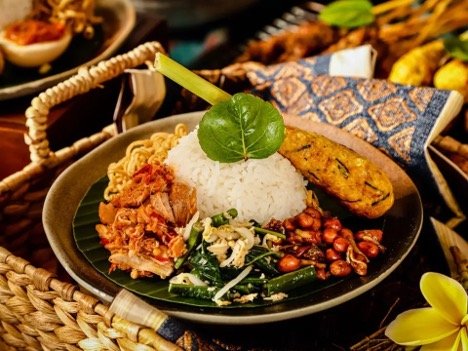
If you want to try several local dishes without ordering them separately, nasi campur Bali is an excellent choice. This popular meal consists of steamed rice served with a selection of small portions of vegetables, meat, eggs, and traditional accompaniments.
A typical Balinese version may include shredded spiced chicken, sate lilit, lawar, peanuts, vegetables, and sambal. The exact combination depends on the cook and the dishes available that day.
One of the best things about nasi campur is the variety of flavours and textures on a single plate. You might enjoy tender meat, crunchy vegetables, fragrant rice, and spicy sambal in the same meal.
Nasi campur is widely available at warungs and restaurants throughout Bali, including Seminyak. It is particularly suitable for first-time visitors who want an introduction to Balinese food without having to choose just one speciality.
If you are unsure what to order at a local eatery, nasi campur is a practical place to start.
6. Lawar: A Traditional Mix of Vegetables, Coconut, and Spices
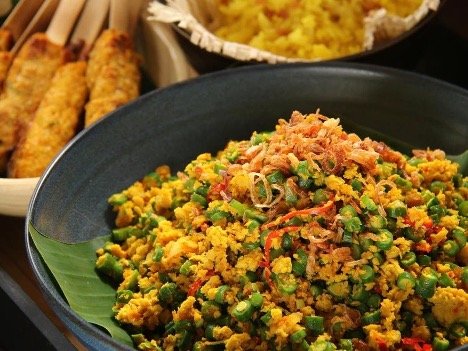
Lawar is a traditional Balinese dish made by combining finely chopped vegetables, grated coconut, herbs, and a mixture of local spices. Depending on the variety, it may also contain minced chicken or pork.
The vegetables are often finely cut green beans or young jackfruit, creating a texture that is both fresh and slightly crunchy. Grated coconut and spices provide richness, while herbs add an aromatic quality that distinguishes lawar from ordinary vegetable salads.
Lawar has an important place in Balinese food culture and is often prepared for ceremonies, community gatherings, and family occasions. It is frequently served with rice and other traditional dishes, including babi guling.
There are several varieties of lawar, and ingredients differ between recipes. Some traditional versions contain animal blood, while others do not. Visitors should ask about the ingredients if they have dietary restrictions.
For travellers interested in the cultural side of Balinese cuisine, lawar offers an insight into how food connects everyday meals with local traditions.
7. Nasi Jinggo: A Small but Flavourful Local Meal
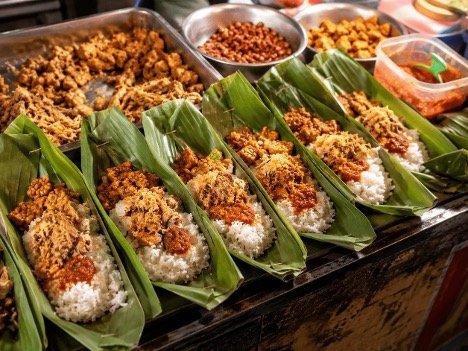
Nasi jinggo is a popular small rice meal commonly sold at street stalls and local food vendors. The rice is usually wrapped in a banana leaf and accompanied by modest portions of side dishes.
Depending on the vendor, the toppings may include shredded chicken, sambal, tempeh, noodles, or other savoury ingredients. The portions are relatively small, making nasi jinggo convenient for a quick snack or a light meal.
This dish is particularly associated with everyday food culture in Bali. It is commonly found in Denpasar and other parts of the island, with vendors often selling it in the evening.
For visitors who want to experience local food beyond restaurant menus, nasi jinggo is an affordable and approachable option. Its simple presentation also reflects the practical side of Balinese street food, where familiar ingredients are combined into a compact meal.
8. Tipat Cantok: Rice Cakes with Peanut Sauce
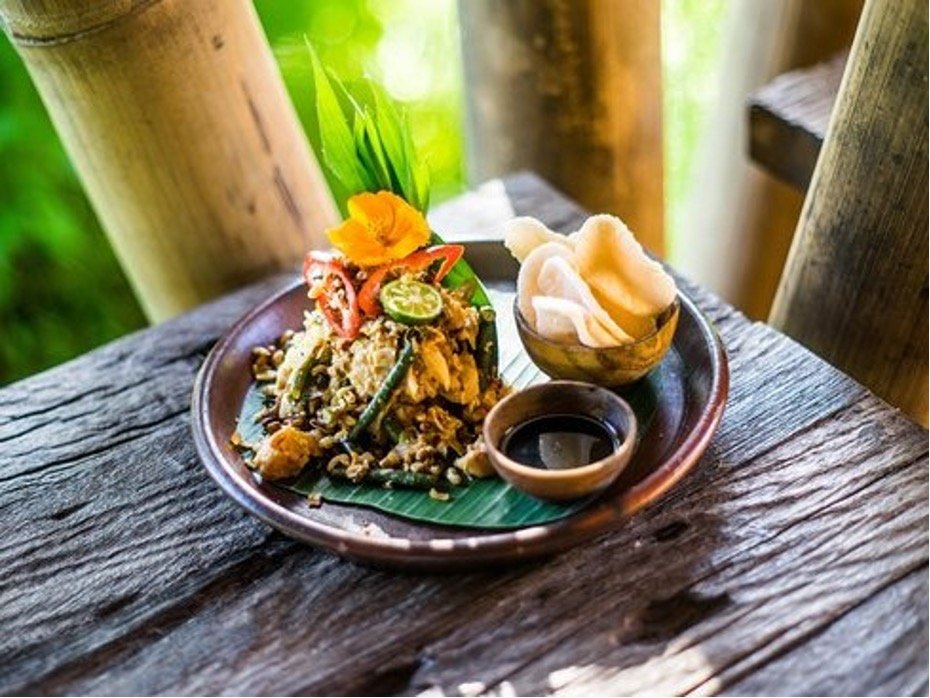
Tipat cantok is a traditional Balinese dish made with compressed rice cakes, steamed vegetables, and a freshly prepared peanut sauce. The rice cakes, known as tipat, provide a soft and filling base, while the vegetables add freshness and texture.
The peanut sauce is typically prepared by grinding peanuts with ingredients such as garlic, chilli, and other seasonings. This creates a savoury dressing that coats the vegetables and rice cakes.
The result is a satisfying combination of soft, crunchy, savoury, and slightly spicy elements. The level of heat varies depending on how much chilli is used.
Tipat cantok is a good option for visitors looking for a vegetable-based traditional dish. However, the sauce and preparation methods can vary, so those following vegetarian or vegan diets should check whether shrimp paste or other animal-derived ingredients are included.
It is commonly found at local food stalls and traditional eateries across Bali.
9. Serombotan: A Traditional Balinese Vegetable Dish
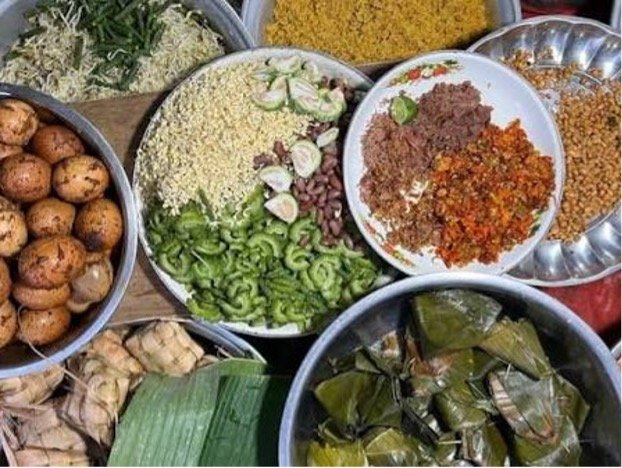
Serombotan is a vegetable-based dish associated particularly with Klungkung in eastern Bali. It typically combines blanched or lightly cooked vegetables with grated coconut, spices, and one or more traditional sauces.
The vegetables may include long beans, spinach, bean sprouts, and other locally available produce. They are mixed with seasonings that provide a combination of savoury, spicy, and slightly nutty flavours.
What makes serombotan distinctive is the way the vegetables are paired with Balinese spice mixtures and coconut-based accompaniments. Rather than relying on a heavy dressing, the dish allows the natural flavours and textures of the vegetables to remain noticeable.
For visitors interested in traditional Balinese food beyond meat dishes, serombotan is worth trying. It also demonstrates how local cooking makes use of fresh vegetables and aromatic ingredients to create flavourful everyday meals.
As with other vegetable-based dishes in Bali, ask about the sauces if you need to avoid shrimp paste or other animal-derived ingredients.
10. Jukut Ares: Traditional Banana Stem Soup
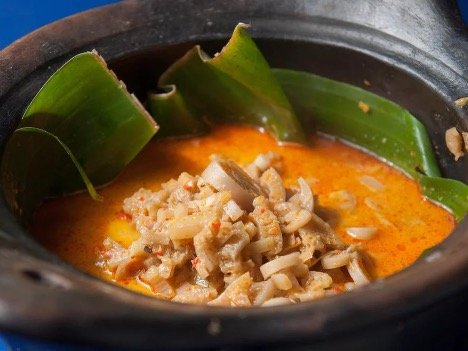
Jukut ares is a traditional Balinese soup made with the tender inner stem of a banana plant, known locally as ares. The stem is sliced and cooked with spices and a broth that may contain chicken, duck, or pork, depending on the recipe.
The cooking process softens the banana stem, giving it a tender texture while allowing it to absorb the flavours of the broth. Balinese spices create a fragrant and savoury base that makes the soup comforting and distinctive.
Jukut ares is often associated with traditional gatherings and ceremonial meals, although its availability varies between local eateries. It is usually served with rice and other dishes as part of a larger meal.
For travellers interested in discovering lesser-known Balinese specialities, this soup is a particularly interesting choice. It highlights how traditional island cooking uses ingredients that might otherwise be overlooked and transforms them into satisfying dishes.
11. Pepes Ikan: Fish Cooked in Banana Leaves
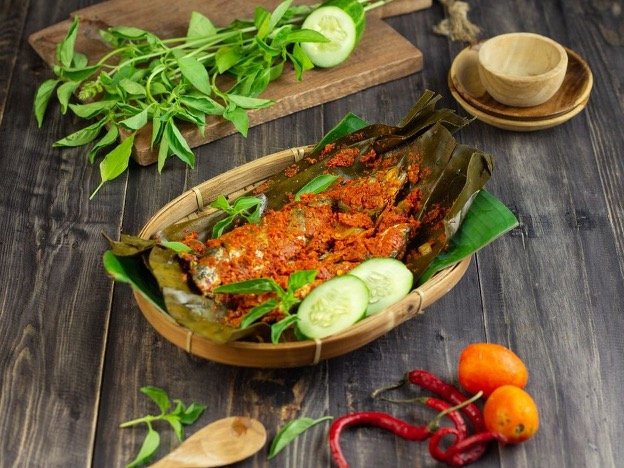
Pepes ikan is a traditional Indonesian cooking preparation that is also enjoyed in Bali. Fish is seasoned with a mixture of herbs and spices, wrapped in banana leaves, and cooked until tender and fragrant.
Depending on the recipe, the fish may include ingredients such as turmeric, shallots, garlic, chilli, and aromatic herbs. Wrapping it in banana leaves helps retain moisture while allowing the seasoning to infuse the fish during cooking.
Some versions are steamed, while others are grilled after cooking to develop a more pronounced smoky aroma. The finished dish is usually served with steamed rice and vegetables.
Pepes ikan is an appealing option for travellers who enjoy seafood and want to explore traditional flavours without choosing a meat-heavy meal. It is worth looking for at Indonesian restaurants and eateries serving regional dishes around Bali.
12. Sambal Matah: Bali’s Fresh and Fragrant Chilli Relish

Sambal matah is one of the most recognisable accompaniments in Balinese cuisine. Unlike cooked sambals, this version is traditionally made from finely sliced raw ingredients, including shallots, chillies, lemongrass, and lime leaves, combined with seasonings and oil.
The result is fresh, aromatic, and often quite spicy. The shallots provide a crisp texture, while lemongrass and lime leaves contribute a bright, citrus-like fragrance.
Sambal matah is commonly served alongside grilled fish, chicken, sate lilit, and rice dishes. Even a small spoonful can transform a meal by adding freshness and heat.
If you enjoy spicy food, sambal matah is worth trying during your Bali holiday. If you prefer milder flavours, ask for it on the side so you can control how much you add to your meal.
Although sambal matah is an accompaniment rather than a complete dish, it plays an important role in the overall Balinese dining experience.
13. Laklak: Traditional Balinese Rice Cakes
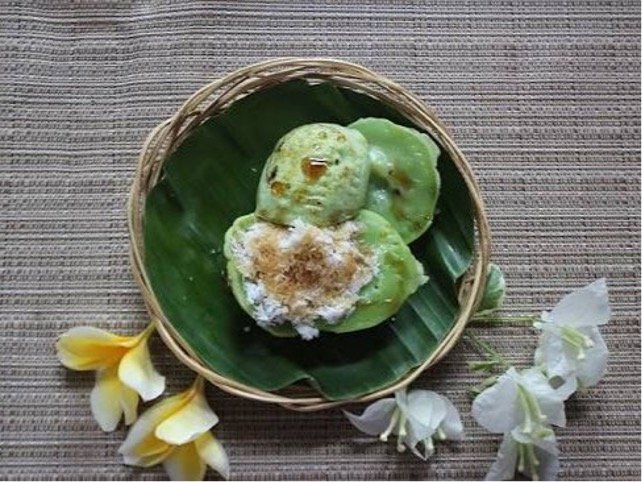
Laklak is a traditional Balinese snack made from rice flour and cooked into small, round cakes. The cakes are often green from the addition of pandan or another natural colouring ingredient, although preparations can vary.
Once cooked, laklak is commonly served with grated coconut and a sweet palm sugar syrup. The combination creates a pleasant contrast between the soft, slightly chewy cake, the texture of fresh coconut, and the sweetness of the syrup.
Laklak is often sold at traditional markets, local snack stalls, and morning food vendors. It is particularly enjoyable as a light breakfast or an afternoon treat with a cup of tea or coffee.
For visitors who want to explore Balinese food beyond savoury meals, laklak offers a simple introduction to the island’s traditional sweets. It is also a reminder that local cuisine includes a wide variety of snacks prepared from rice, coconut, and palm sugar.
14. Bubuh Injin: Black Rice Pudding
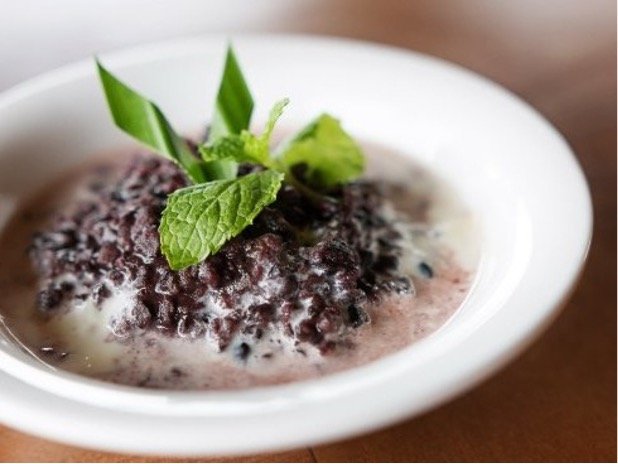
Bubuh injin is a traditional Balinese dessert made primarily from black glutinous rice. The rice is cooked until soft and served as a sweet pudding, often accompanied by coconut milk and palm sugar syrup.
The dish has a naturally rich colour and a pleasantly chewy texture. Its flavour is gently sweet, with the coconut milk adding a creamy element that balances the earthy character of the black rice.
Bubuh injin can be enjoyed warm or at room temperature, depending on the preparation. It is commonly found on menus featuring traditional Indonesian or Balinese desserts.
For travellers who prefer desserts that are not overly complicated, bubuh injin is an excellent choice. Its ingredients are simple, but the combination of black rice, coconut, and palm sugar creates a satisfying finish to a traditional meal.
15. Pisang Rai: Banana with Grated Coconut
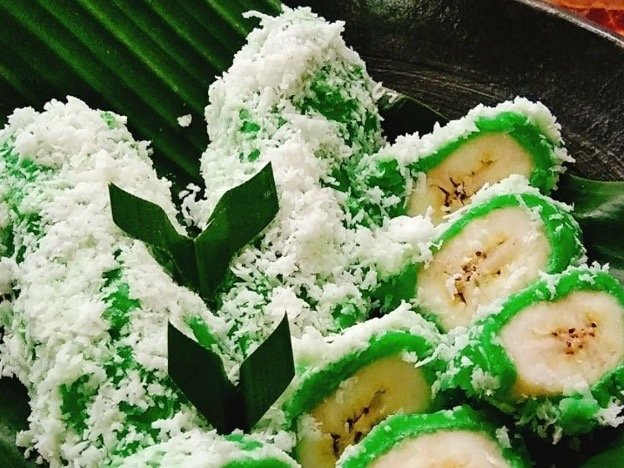
Pisang rai is a traditional Balinese snack made from bananas coated in a rice flour mixture, cooked, and served with grated coconut. Some preparations also use pandan to add a subtle fragrance and colour.
The banana becomes soft and naturally sweet during cooking, while the outer coating provides a slightly chewy texture. Freshly grated coconut adds a mild, nutty flavour that balances the sweetness.
Pisang rai is commonly enjoyed as a snack or a light dessert and can be found at traditional markets and local food stalls. Its simple ingredients make it a good example of how everyday produce is transformed into a traditional Balinese treat.
If you are exploring local markets during your stay, look for pisang rai alongside other traditional snacks. It is a lovely way to experience the sweeter side of Balinese cuisine without needing to visit a formal restaurant.
Where to Try Traditional Balinese Food in Seminyak
Seminyak is known for its cafés, international restaurants, shopping streets, and beachside dining. However, the area also offers opportunities to explore traditional Balinese food and other Indonesian specialities.
One of the easiest ways to discover local dishes is by visiting a warung. A warung is a small local eatery that often serves home-style cooking, rice meals, vegetables, and traditional specialities. Menus vary, and some warungs focus on a particular dish, while others offer several choices prepared daily.
When exploring Seminyak, look for Indonesian restaurants and local eateries serving nasi campur, sate lilit, ayam betutu, and traditional snacks. You may also find Balinese dishes on menus at restaurants that combine local ingredients with contemporary dining styles.
For a broader culinary experience, consider exploring nearby areas of Bali as well. Denpasar offers traditional markets and everyday food stalls, while other parts of the island are known for their own regional specialities.
The best approach is to try a mix of familiar dishes and less familiar local foods. Start with nasi campur or sate lilit, then explore traditional soups, vegetable dishes, and desserts as you become more comfortable with Balinese flavours.
Is Balinese Food Spicy?
Balinese food can be spicy, but not every traditional dish is hot. The level of chilli depends on the recipe, the cook, and whether sambal is mixed into the dish or served separately.
Sambal matah and some versions of ayam betutu can be quite spicy. Other dishes, such as nasi campur, laklak, and bubuh injin, may be enjoyed with little or no chilli, depending on their accompaniments.
If you prefer milder food, you can ask for tidak pedas, which means not spicy, or request sambal on the side. This allows you to experience the aromatic ingredients and distinctive flavours of Balinese cuisine without too much heat.
It is also helpful to remember that spice levels vary between restaurants, so asking staff for recommendations can make ordering easier.
Experience the Flavours of Bali During Your Stay at Villa Bugis Seminyak
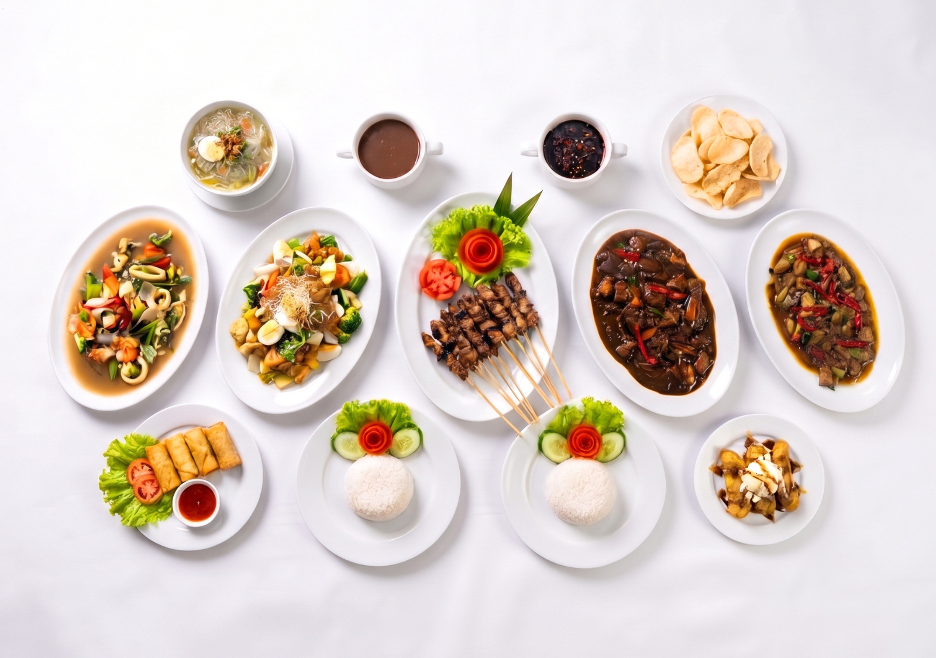
Discovering traditional Balinese food is one of the best ways to experience the island beyond its beaches and attractions. From the aromatic spices of ayam betutu to the smoky flavour of sate lilit, every dish offers a taste of Bali’s rich culinary heritage.
While exploring local restaurants and warungs in Seminyak, guests can also enjoy authentic regional flavours without leaving their villa. Villa Bugis offers a selection of traditional dining experiences, including Be Pasih Klungkung (Balinese Fish Satay & Grilled Fish Set), Seafood BBQ Jimbaran, Ayam Betutu Gilimanuk (Balinese Spiced Roast Chicken), and Babi Guling Gianyar (Balinese Whole Roast Pig). Guests can also choose the Indonesian Set Menu, featuring dishes from across the Indonesian archipelago.
https://villabugis.com/in-villa-dining-seminyak/
Villa Bugis Seminyak offers a collection of private villas suited to different holiday needs, including options for couples, families, and groups of friends. With private swimming pools, spacious living areas, and a central Seminyak location, a villa stay provides flexibility to enjoy Bali at your own pace.
Whether you are visiting Bali for the first time or returning to discover more of the island, make time to explore its traditional food and local culinary culture. Trying a few of these 15 dishes is a delicious starting point.
Book direct & save more:
🌐 www.villabugis.com
📩 info@villabugis.com
📞 +62 812-3683-2838
📍 The Ideal Holiday Villas in Seminyak, Bali


