

Planning a Bali holiday from Australia? The best time to visit Bali depends on what matters most to you: sunny weather, quieter beaches, affordable accommodation, family-friendly activities, or the lively atmosphere of Bali’s festive season. While Bali is a year-round destination, each month offers a different travel experience, and choosing the right dates can make a significant difference to your holiday.
For most Australian travellers, May, June, September, and October offer an appealing balance of weather, sightseeing conditions, and visitor numbers. July and August are popular for their relatively dry weather and Australian winter school holidays, while December and early January attract visitors celebrating Christmas and New Year in the tropics. If your priority is finding potentially lower villa rates and fewer crowds, November and the period from January to March are worth considering, although these months generally experience more rainfall.
Bali has two main seasons: the dry season, which typically runs from May to October, and the wet season, which usually lasts from November to April. However, weather is only one part of the decision. Australian school holidays, Indonesian public holidays, Balinese religious celebrations, and international festive periods can all influence flight prices, accommodation availability, and how busy popular destinations become.
Whether you are planning a family holiday, a couples’ escape, or a relaxing stay in a private pool villa, this month-by-month guide will help you decide when to visit Bali and when to book your accommodation.
Quick Answer: When Is the Best Time to Visit Bali?
The best time to visit Bali depends on your travel priorities.
- Best overall months: May, June, September, and October offer a good balance of generally favourable weather and opportunities to travel outside the busiest peak periods.
- Best months for dry weather: June, July, August, and September are generally among the driest months, making them popular for beaches, outdoor activities, and exploring the island.
- Best months for fewer crowds: November and February are worth considering if you prefer a quieter atmosphere, although local holidays and specific events can still increase visitor numbers.
- Best months to look for lower villa rates: January to March and November to early December can offer more competitive accommodation rates, depending on the property, travel dates, and current promotions.
- Best months for Australian families: April, June, July, September, and December can align with Australian school holiday periods, depending on the state or territory.
- Best time for festive celebrations: December and early January bring Christmas and New Year festivities, while Nyepi (the Balinese Day of Silence), Galungan, and Kuningan offer opportunities to learn about Bali’s rich Hindu traditions throughout the year. The dates of these cultural celebrations change annually, so check the calendar before planning your trip.
Best Time to Visit Bali: A Month-by-Month Guide
January: Tropical Summer Holidays and a Relaxed Start to the Year
January falls within Bali’s wet season, bringing warm temperatures, high humidity, and a greater chance of tropical rain. However, it is also part of the Australian summer school holidays, when many families take advantage of the long break to travel overseas.
The first days of January can remain busy following Christmas and New Year. As the festive period passes and Australian schools prepare to reopen, visitor numbers may ease, although this varies each year.
January can suit travellers who enjoy tropical greenery, relaxed villa days, and a flexible holiday schedule. In Seminyak, mornings can be ideal for breakfast at a local café, browsing boutiques, or walking along the beach before returning to a private pool villa when the weather becomes warmer.
February: A Potentially Quieter Month for Better Value
February is generally part of Bali’s wet season and is often worth considering for travellers who prefer a less crowded atmosphere. Outside major holidays and special events, some destinations can feel more relaxed than during July, August, or the Christmas period.
Rain showers are more likely than during the dry season, but there can still be plenty of opportunities to explore. A flexible itinerary might include a morning walk, a leisurely lunch, a spa visit, and an afternoon relaxing beside a private swimming pool.
For couples and families seeking space, a Bali villa can make a February holiday particularly comfortable. Private living areas and a pool provide somewhere to unwind when outdoor plans need to change.
March: Cultural Experiences and the Transition Towards the Dry Season
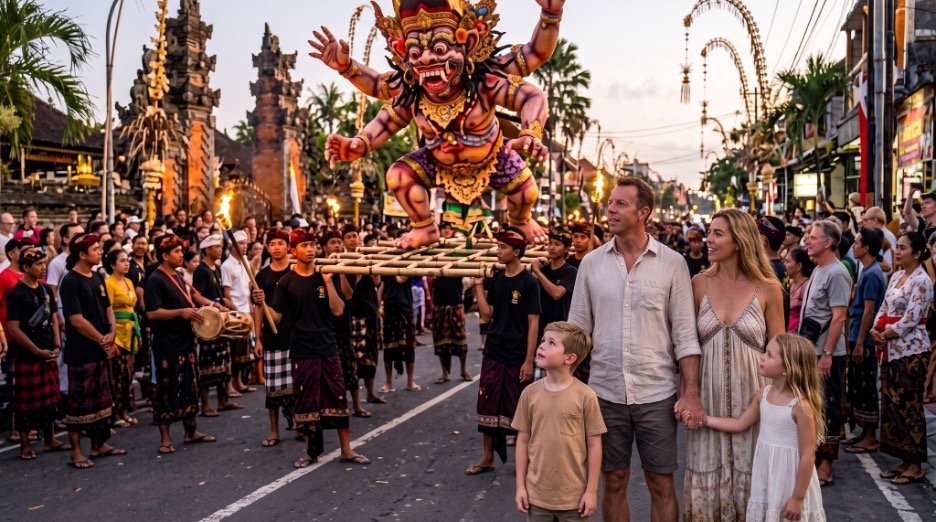
March usually remains within Bali’s wet season, although conditions gradually begin moving towards the drier months. Rain is still possible, but travellers may experience a mixture of sunny periods, humid afternoons, and tropical showers.
This month can also provide opportunities to learn more about Balinese culture. Important religious dates sometimes fall in March, including Nyepi, the Balinese Day of Silence. The exact date changes each year according to the Balinese calendar.
Nyepi is a unique cultural experience, but visitors need to understand its practical implications. The island observes restrictions on outdoor activity, traffic, and other normal activities for approximately 24 hours, and the airport closes during the observance. Guests staying in Bali should follow their accommodation’s guidance and plan their arrival and departure around the closure.
April: Easter Holidays and the Beginning of a More Favourable Travel Period
April is a transition month when Bali generally begins moving towards the dry season. Rain can still occur, but conditions may become more suitable for outdoor activities as the month progresses.
For Australian travellers, Easter is an important consideration. The Easter long weekend and associated school holidays can create a popular travel window for families who want a shorter overseas holiday without waiting for the winter break.
The timing of Easter changes each year, and Australian school holiday dates vary between states and territories. Flights and accommodation can therefore be more expensive around the busiest travel dates.
April is a good time to combine cultural sightseeing with beach activities and relaxed days at a villa. In Seminyak, visitors can enjoy restaurants, shopping, sunset walks, and private pool time without needing to travel across the island every day.
May: One of the Best Months for Weather, Comfort, and Value
May is often one of the most appealing months to visit Bali. The dry season is beginning, rainfall generally decreases, and outdoor activities become easier to plan. The island remains tropical and warm, but the weather can be more comfortable for exploring than during the wetter months.
Another advantage is that May sits outside the main Australian winter school holiday period. Depending on the dates, travellers may find popular attractions and accommodation less pressured than during July and August.
This makes May particularly attractive for couples, groups of friends, and families with flexible travel schedules. You can spend the morning visiting cultural attractions, enjoy lunch at a local restaurant, and return to your villa for a swim before heading out for sunset.
In Seminyak, the combination of improving weather and potentially more manageable demand makes May worth considering when comparing villa options. Travellers looking for a private pool villa can compare different bedroom configurations, facilities, and locations before peak-season demand increases.
June: A Great Choice Before the Peak Winter Holiday Rush
June is generally a favourable month for visiting Bali. The dry season is underway, rainfall is usually lower than during the wet season, and the island offers excellent opportunities for beach walks, outdoor dining, and sightseeing.
The first part of June can be particularly appealing for travellers who want to enjoy dry-season conditions before the main Australian winter school holidays begin. As the month progresses, demand may increase as some Australian states start their school break towards the end of June.
June is well suited to travellers who want to combine active days with relaxed accommodation. Families can explore beaches and attractions, while couples may prefer a slower schedule built around dining, spa treatments, and time beside a private pool.
For visitors considering Seminyak villas, travelling earlier in June may provide more choice than booking at the last minute during a busy holiday period. However, the actual difference depends on travel dates, property availability, and seasonal rates.
July: Australian Winter School Holidays and Peak Dry-Season Travel

July is one of Bali’s most popular travel months. The weather is generally dry, humidity can feel more manageable than during the wet season, and conditions are well suited to outdoor activities.
It is also the Australian winter school holiday period. Families from different states travel during overlapping weeks, creating increased demand for flights, family accommodation, and popular attractions.
For families, July offers plenty of opportunities to enjoy Bali’s beaches, cultural attractions, water activities, and restaurants. Seminyak is especially convenient for visitors who want dining, shopping, and the beach within easy reach of their accommodation.
However, popularity comes with trade-offs. Flights can be more expensive, popular restaurants may require reservations, and larger villas can become harder to secure for preferred dates. Accommodation rates may also be higher during this period.
August: Dry Weather, Independence Day, and Continued High Demand
August continues the dry season and is another popular month for Australian travellers. The weather is generally favourable for beach activities, sightseeing, and exploring different parts of the island.
Australian school holidays may have ended by the beginning of August, depending on the state or territory. Nevertheless, demand can remain strong because of the dry-season weather and international travel patterns.
Bali also celebrates Indonesian Independence Day on 17 August. Visitors may notice red-and-white decorations, community celebrations, and local events around the island.
August is a good month for travellers who want reliable opportunities for outdoor activities, although it is not usually the first choice for those seeking the lowest villa rates or the quietest atmosphere.
September: One of the Best Months for a More Balanced Bali Holiday
September is often one of the most attractive months for travellers who want dry-season conditions without automatically choosing the busiest part of the winter holiday period.
The weather generally remains favourable, and the island can feel less crowded than during the July and August peak. However, Australian spring school holidays often begin towards the end of September, with dates varying by state and territory.
For this reason, the first part of September may appeal to travellers with flexible schedules, while late September can become busier around school holiday departures.
Seminyak is a strong choice during this month. Visitors can enjoy outdoor dining, beach walks, boutique shopping, and day trips while returning to the privacy of their villa at the end of the day.
October: Warm Days and a Shoulder-Season Opportunity
October is generally a transition month towards the wet season. Early in the month, conditions can remain relatively dry, although humidity may increase and rainfall can become more frequent as the month progresses.
Australian spring school holidays often overlap with late September and early October. Once these holidays finish, some travel dates may offer a quieter atmosphere, depending on flights, events, and international demand.
October can be appealing for travellers who prefer to avoid the height of the dry-season rush. It is also a useful month for comparing villa rates, especially for visitors who can travel outside Australian school holiday dates.
A stay in Seminyak can combine beach time, local restaurants, shopping, and relaxed days in a private garden or swimming pool. Keeping some flexibility in your plans is sensible as the chance of rain gradually increases.
November: A Quieter Atmosphere and Potentially Better Villa Value
November generally marks the beginning of Bali’s wet season. Rainfall becomes more frequent, humidity increases, and afternoon or evening showers are more likely.
The trade-off is that November can be attractive to travellers who prefer to avoid the busiest periods. Outside major events, it is often worth comparing accommodation rates during this month, particularly for visitors with flexible dates.
The island’s tropical gardens become lush, and a slower holiday can be especially enjoyable. Rather than planning every day around outdoor excursions, visitors can mix short outings with relaxed meals, spa visits, shopping, and time at their accommodation.
For travellers considering a villa Seminyak stay, November can be a useful month to compare available promotions and room configurations. A private pool, comfortable living space, and convenient location can make the occasional rain shower less disruptive.
December: Christmas, New Year, and Bali’s Festive Season

December brings a distinctive atmosphere to Bali. The wet season is underway, but the island becomes increasingly lively as international visitors arrive for Christmas and New Year.
For Australians, December is especially important because summer school holidays begin at different times across the states and territories, generally from mid-December. Many families travel during the second half of the month and stay into January.
Seminyak becomes particularly vibrant during the festive period. Restaurants and beach venues host special events, shops and streets feel busier, and many travellers choose to celebrate Christmas or New Year’s Eve in a tropical setting.
This atmosphere can be exciting, but it also means higher demand for accommodation and transport. Popular villa configurations may be booked well in advance, and peak-season minimum stays or pricing may apply.
If you want to visit Bali in December, plan early and confirm the exact dates of your stay. Travelling in early December, before the main festive rush, may offer a different experience from arriving just before Christmas.
Is Seminyak a Good Place to Stay in Bali Throughout the Year?
Seminyak is an appealing base for Australian travellers because it combines beach access, restaurants, cafes, shopping, wellness experiences, and a wide choice of accommodation. Its atmosphere changes throughout the year, but there are reasons to visit in every season.
During the dry season, visitors can make the most of beach walks, outdoor dining, and sunset views. The generally favourable weather makes it easier to plan day trips and spend time exploring different parts of the island.
During the wet season, Seminyak remains attractive for travellers who enjoy a flexible holiday. Visitors can spend time in cafés, explore boutiques, book spa treatments, discover local food, or return to their accommodation when rain arrives.
Staying in a private villa provides a different experience from staying in a conventional hotel. Depending on the property, guests may enjoy a private swimming pool, tropical garden, living and dining spaces, and greater flexibility around how they spend their day.
For families, family villas can make a Bali holiday more convenient by providing room for everyone to relax together. When choosing a property, consider the number of bedrooms, pool safety, the location, and how easily you can reach the places you plan to visit.
For couples and groups of friends, Seminyak villas offer opportunities to combine privacy with easy access to dining, shopping, and beach activities. The best choice depends on the size of your group and whether you prefer a quieter residential lane or a location closer to the area’s busiest attractions.
Whatever month you choose, it is worth comparing villa rates for your exact travel dates rather than assuming all properties follow the same seasonal pricing structure.
Book Direct with Villa Bugis Seminyak for Guaranteed Best Rates

Once you have chosen when to visit Bali, the next step is finding accommodation that fits your travel dates, group size, and budget. Booking early can be particularly important during Australian school holidays, the dry-season peak, and Christmas and New Year, when demand for popular villas can increase.
Villa Bugis Seminyak offers a 19 collection of private pool villas in central Seminyak, with options ranging from 1 – 6 bedroom retreats to larger properties for families and groups. Guests can enjoy their own private outdoor space while staying within convenient reach of Seminyak’s restaurants, shops, and beach.
For Australian travellers, a private villa can provide a comfortable base for exploring Bali at your own pace. Spend the morning discovering local cafés, enjoy a day at the beach, or return to your villa for a swim and a relaxed evening together.
Villa Bugis Seminyak offers a best-rate guarantee when you book directly through its official website, along with access to direct-booking promotions available for eligible stays. Rather than relying only on third-party booking platforms, compare your travel dates and available villas directly to find the option that suits your plans.
Visit the official Villa Bugis Seminyak website to explore the villa collection, check live availability, and view direct-booking offers. You can also contact the reservation team for help choosing a villa that matches your preferred dates, number of guests, and accommodation needs.
Planning ahead gives you more opportunities to compare options, understand the seasonal conditions, and make the most of your time in Bali.
Book direct & save more:
📞 +62 812-3683-2838
📍 The Ideal Holiday Villas in Seminyak, Bali


