
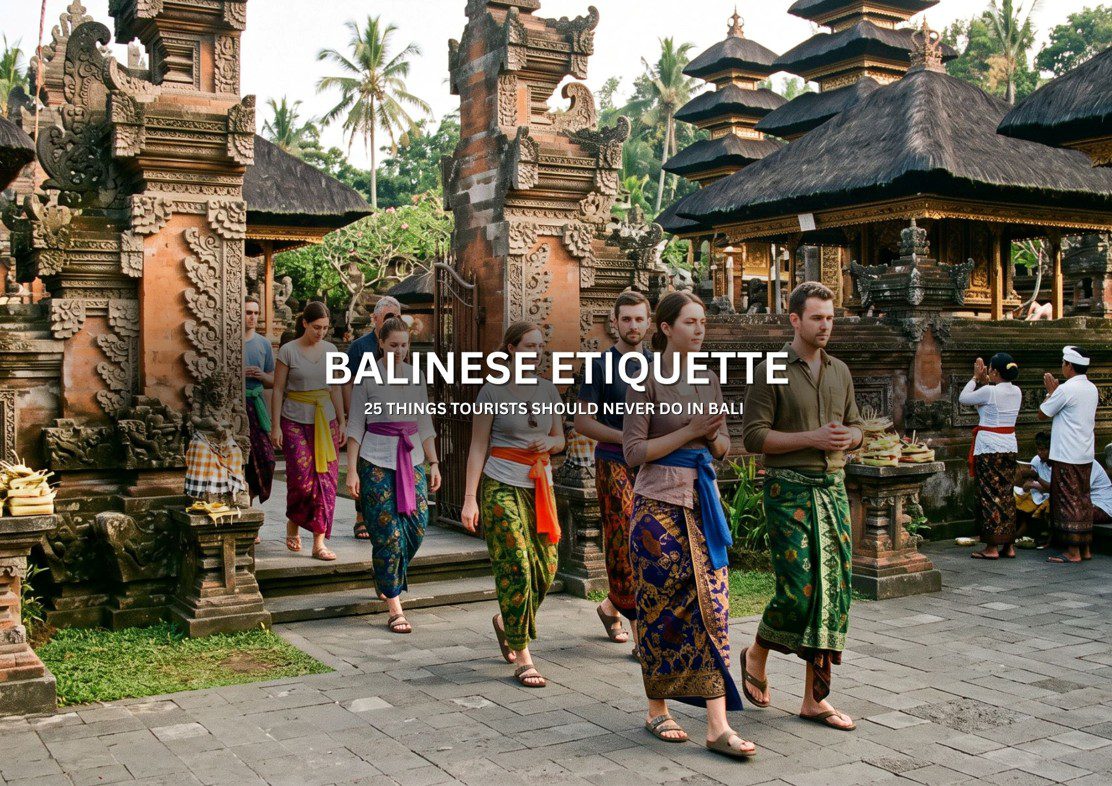
Bali is more than just one of the world’s most popular tropical destinations. Beyond its beautiful beaches, luxury villas, lush rice terraces, and vibrant nightlife lies an island deeply rooted in culture, spirituality, and centuries-old traditions. Every day, Balinese communities practice rituals, prepare offerings, and participate in ceremonies that reflect their strong connection to religion, family, and nature. Understanding these traditions allows visitors to appreciate Bali beyond its scenic attractions.
As tourism continues to grow, respecting local customs has become more important than ever. While the Balinese people are known for their warm hospitality and welcoming nature, small acts of cultural awareness can make a significant difference. Whether you’re visiting temples, exploring traditional villages, or simply walking through the streets of Seminyak or Ubud, following local etiquette helps preserve Bali’s unique heritage while ensuring a more meaningful travel experience.
Below are 25 important etiquette tips every traveler should know before visiting Bali.
1. Never Step on Canang Sari Offerings
One of the most recognizable symbols of Bali is the Canang Sari, a small handmade offering crafted from woven coconut leaves and filled with flowers, rice, incense, and other symbolic items. These offerings are placed outside homes, temples, shops, restaurants, and businesses as part of daily Balinese Hindu prayers to express gratitude and maintain harmony between people, nature, and the spiritual world.
Because many offerings are placed on sidewalks or entrances, visitors may accidentally step on them without noticing. While locals understand that mistakes happen, making an effort to walk around the offerings whenever possible is considered respectful. Paying attention to these small cultural details shows appreciation for Balinese traditions and demonstrates that you value the island’s customs during your visit.
2. Don’t Enter Temples Without Proper Clothing
Temples in Bali are active places of worship, not simply historical landmarks or tourist attractions. Many local families visit temples regularly to pray, celebrate religious festivals, and perform important ceremonies. Visitors are welcome at many temples, but they are expected to follow the same respectful dress standards as worshippers.
Before entering a temple, wear modest clothing and, where required, a sarong and sash around your waist. Many temples provide these at the entrance, but bringing your own is also common. Dressing appropriately not only respects local beliefs but also helps preserve the peaceful atmosphere that makes Bali’s temples such meaningful places.
3. Never Climb Sacred Temple Structures
The impressive temple gates, shrines, statues, and stone carvings found throughout Bali are much more than beautiful architectural features. Many of these structures are considered sacred and play an important role in Balinese religious ceremonies. Climbing on them for photographs or social media content is widely viewed as disrespectful.
Instead of standing or sitting on sacred monuments, admire them from designated visitor areas. Respecting these spaces allows everyone to appreciate Bali’s cultural heritage while helping preserve important historical sites for future generations. A memorable travel photo should never come at the expense of local traditions.
4. Don’t Interrupt Religious Ceremonies
Religious ceremonies are a regular part of everyday life in Bali, and visitors may encounter processions, temple celebrations, or community rituals throughout the island. These ceremonies often involve traditional music, colorful clothing, offerings, and prayers, creating unique cultural experiences that many travelers enjoy witnessing.
If you come across a ceremony, observe quietly from a respectful distance and avoid walking through the middle of the procession. Never block participants simply to take photographs, and always follow any instructions given by local residents or temple staff. Respectful observation allows you to experience Balinese culture without disrupting an important religious event.
5. Avoid Wearing Swimwear Away from the Beach
While swimwear is perfectly acceptable around beaches, swimming pools, and beach clubs, it is generally considered inappropriate in villages, supermarkets, cafes, temples, and local neighborhoods. Although Bali is a popular holiday destination, it remains home to communities that value modesty in everyday life.
Before leaving the beach, take a moment to put on a shirt, dress, or light cover-up. This simple habit shows consideration for local customs and helps visitors blend more comfortably into different settings. Dressing appropriately also creates a positive impression when interacting with local businesses and residents.
6. Don’t Touch People’s Heads
In Balinese culture, the head is traditionally regarded as the most sacred part of the body because it is associated with the mind and the spirit. Even gestures that may seem friendly in other countries, such as patting someone on the head, can be considered disrespectful in Bali.
This custom applies not only to adults but also to children. If you wish to greet or interact with local families, a smile or polite greeting is always appreciated instead. Understanding these cultural differences helps visitors avoid unintentionally offending the people they meet during their travels.
7. Never Point Your Feet Toward Sacred Objects
Just as the head is considered sacred, the feet are traditionally viewed as the least clean part of the body in Balinese culture. Because of this belief, pointing your feet toward shrines, religious offerings, priests, or people during ceremonies may be interpreted as disrespectful.
When sitting inside temples or attending cultural performances, pay attention to your posture and try to keep your feet tucked away from sacred objects. These small acts of awareness may seem minor, but they reflect genuine respect for Balinese customs and are appreciated by local communities.
8. Don’t Raise Your Voice in Public
Balinese society places great importance on harmony, patience, and respectful communication. Speaking loudly, arguing aggressively, or showing anger in public can make those around you uncomfortable and may be viewed as inappropriate behavior.
If you encounter a problem during your holiday—whether it’s a misunderstanding, delayed service, or transportation issue—remain calm and communicate politely. A respectful attitude is often met with the same kindness that Bali is famous for, making it easier to resolve situations while leaving a positive impression on the people you meet.
9. Avoid Public Displays of Anger
The people of Bali are known for their calm, friendly, and patient nature. Maintaining harmony is an important part of Balinese culture, which is why shouting, arguing, or showing excessive anger in public is generally considered inappropriate. Even when problems arise, locals usually prefer to handle situations politely and respectfully.
If something doesn’t go as planned during your holiday, try to remain patient and communicate calmly. Whether you’re dealing with a hotel, restaurant, driver, or shop owner, speaking with kindness is far more likely to lead to a positive outcome. Respectful communication reflects well on visitors and helps maintain the welcoming atmosphere Bali is known for.
10. Respect Local Dress Codes
Although Bali is famous for its relaxed holiday atmosphere, modest clothing is appreciated in many public places, especially when visiting temples, traditional villages, government offices, or local ceremonies. Wearing appropriate clothing demonstrates respect for the community and the island’s cultural values.
Choosing lightweight shirts, dresses, or trousers instead of revealing swimwear is a simple way to adapt to different environments. You don’t need to dress formally, but being mindful of your clothing shows that you understand Bali is both a world-class destination and a place where local traditions continue to thrive.
11. Don’t Fly Drones Without Permission
Drone photography has become increasingly popular, allowing visitors to capture Bali’s dramatic coastlines, rice terraces, and volcanic landscapes from above. However, not every location permits drones, particularly around temples, religious ceremonies, protected natural areas, and private properties.
Before launching your drone, always check local regulations and ask for permission if necessary. Flying responsibly helps protect people’s privacy, prevents disturbances during cultural events, and ensures everyone can enjoy Bali’s attractions without unnecessary interruptions.
12. Never Disturb Wildlife
From playful monkeys and sea turtles to tropical birds and coral reefs, Bali is home to an incredible variety of wildlife. While these animals often attract visitors, they should always be treated with respect and observed from a safe distance rather than approached for entertainment.
Avoid feeding wild animals, chasing them for photographs, or attempting close-up selfies. Human interaction can change their natural behavior and may even create safety risks. Responsible wildlife tourism helps protect Bali’s ecosystems while ensuring future visitors can continue enjoying the island’s biodiversity.
13. Don’t Litter
Keeping Bali clean is a shared responsibility between local communities and visitors. The island’s beautiful beaches, waterfalls, mountains, and rice terraces are part of what makes Bali such a remarkable destination, and protecting these environments benefits everyone.
Always dispose of rubbish in designated bins or keep it with you until you find one. Small actions, such as refusing single-use plastics and cleaning up after yourself, contribute to sustainable tourism and help preserve Bali’s natural beauty for future generations.
14. Respect Rice Terraces and Farmland
Bali’s famous rice terraces are among the island’s most photographed attractions, but they are much more than scenic viewpoints. They are working farms that provide livelihoods for local families and form part of Bali’s traditional Subak irrigation system, recognized as a UNESCO World Heritage cultural landscape.
When exploring rice fields, stay on designated walking paths and avoid stepping on planted areas. Respecting farmland not only protects crops but also supports the farmers whose hard work has shaped Bali’s iconic landscapes for centuries.
15. Follow Temple Rules and Local Instructions
Every temple in Bali has its own customs, regulations, and areas that may be restricted to worshippers. While many temples welcome visitors, respecting these rules helps preserve the sacred atmosphere and ensures ceremonies can continue without disruption.
Take a few moments to read information signs before entering and follow any guidance provided by temple staff. Whether the rules relate to photography, dress code, or restricted areas, respecting them demonstrates appreciation for Balinese culture and creates a more meaningful experience during your visit.
16. Don’t Bargain Aggressively
Negotiating prices is common in many traditional markets across Bali, particularly when shopping for souvenirs, handicrafts, or clothing. Bargaining is generally accepted as part of the shopping experience, but it should always remain friendly and respectful.
Instead of trying to push prices unrealistically low, approach negotiations with a smile and a positive attitude. Remember that many local vendors rely on tourism to support their families, so fair bargaining helps create a pleasant experience for both visitors and sellers while supporting the local economy.
17. Never Drive Recklessly
Renting a scooter is one of the most popular ways to explore Bali, giving visitors the freedom to discover beaches, villages, and hidden attractions at their own pace. However, Bali’s roads can be busy, and traffic conditions may be very different from what many international visitors are used to.
Always wear a helmet, carry a valid driver’s license or International Driving Permit where required, and make sure your travel insurance covers motorcycle use. Driving responsibly not only protects your own safety but also helps prevent accidents involving local residents and other travelers.
18. Drink Responsibly
Bali offers everything from stylish rooftop bars to lively beach clubs and late-night entertainment. While enjoying the island’s nightlife is part of many visitors’ holidays, drinking excessively can lead to accidents, disruptive behavior, and unnecessary conflicts.
Know your limits and be respectful of the people around you. Drinking responsibly helps ensure your holiday remains enjoyable while maintaining the friendly atmosphere that makes Bali such a welcoming destination.
19. Respect Nyepi, Bali’s Day of Silence
Nyepi, also known as the Day of Silence, is one of the most important religious celebrations in Bali. Unlike most festivals, Nyepi is observed through 24 hours of silence, reflection, and meditation. During this time, the airport closes, roads become empty, and everyone—including tourists—is expected to remain inside their accommodation.
Although these restrictions may feel unusual for first-time visitors, Nyepi offers a unique opportunity to experience one of Bali’s most meaningful traditions. Respecting this special day shows appreciation for Balinese culture and creates a memorable experience unlike anywhere else in the world.
20. Don’t Walk Through Religious Processions
Religious processions are a common sight across Bali, especially during temple festivals and important Hindu celebrations. Participants often carry sacred offerings while walking together in prayer, accompanied by traditional music and ceremonial dress.
If you come across a procession, wait patiently until it has passed or ask a local where you should stand. Avoid crossing through the middle of the group, as this may interrupt an important religious event and be considered disrespectful.
21. Don’t Remove Sacred or Natural Objects
It may be tempting to take home coral, shells, temple decorations, or small cultural items as souvenirs, but many of these objects are protected or hold religious significance. Removing them can damage Bali’s natural environment and cultural heritage.
Instead, purchase handmade souvenirs from local artisans or certified craft markets. Supporting local businesses is a meaningful way to bring home a piece of Bali while respecting the island’s traditions and conservation efforts.
22. Ask Before Taking Photos of People
Bali is incredibly photogenic, from colorful ceremonies to traditional markets and smiling local residents. However, not everyone feels comfortable being photographed, particularly during private religious rituals or family ceremonies.
If you’d like to take a close-up photo of someone, ask for permission first with a smile or simple gesture. Most people appreciate the courtesy, and you’ll often receive a warmer response while creating more respectful travel memories.
23. Listen to Local Advice
Whether you’re hiking a volcano, swimming at the beach, or visiting a waterfall, local residents often have valuable knowledge about weather conditions, ocean currents, road closures, and cultural events. Their advice is based on experience and is usually intended to keep visitors safe.
If a local guide or community member recommends avoiding a certain area or activity, it’s wise to follow their guidance. Respecting local knowledge not only improves your safety but also demonstrates trust and appreciation for the people who know Bali best.
24. Respect Local Communities
Many of Bali’s most popular tourist destinations are also home to families who have lived there for generations. While visitors come to relax and celebrate, local communities continue their daily routines, attend ceremonies, and maintain their traditions throughout the year.
Being mindful of noise levels, especially late at night, and treating neighborhoods with the same respect you would expect at home helps create a positive relationship between visitors and local residents. Responsible tourism benefits everyone and helps preserve Bali’s welcoming atmosphere.
25. Remember That Bali Is More Than a Tourist Destination
It’s easy to see Bali as a paradise filled with luxury resorts, beach clubs, and stunning landscapes, but the island is much more than a holiday destination. It is home to millions of people whose lives are shaped by centuries-old traditions, strong community values, and deep spiritual beliefs.
Approaching your journey with curiosity, kindness, and respect allows you to experience the authentic side of Bali beyond its famous attractions. The memories you’ll take home won’t just be beautiful photos—they’ll include meaningful cultural experiences and genuine connections with the island and its people.
Frequently Asked Questions
1. What should tourists avoid doing in Bali?
Tourists should avoid stepping on Canang Sari offerings, entering temples without appropriate clothing, climbing sacred structures, interrupting religious ceremonies, littering, and behaving disrespectfully toward local customs. Showing respect for Balinese traditions helps create a more enjoyable experience while supporting responsible tourism on the island.
2. Can tourists visit temples in Bali?
Yes. Many temples in Bali welcome visitors, provided they wear appropriate clothing, including a sarong and sash where required, and follow the rules displayed at each temple. Visitors should also avoid entering restricted areas, remain quiet during ceremonies, and always respect worshippers.
3. Where should I stay in Bali to experience local culture while staying close to popular attractions?
Choosing accommodation in a central location allows you to enjoy both Bali’s cultural experiences and its modern attractions. Seminyak is a popular choice thanks to its easy access to beaches, restaurants, local markets, temples, and cultural activities. If you’re looking for a private villa, Villa Bugis Seminyak offers a collection of spacious 1 to 6 bedroom private villas, making it an ideal base for couples, families, and groups who want to explore Bali while enjoying comfort, privacy, and traditional Balinese hospitality.
4. Why is respecting Balinese culture important?
Respecting local traditions helps preserve Bali’s unique cultural identity and strengthens the relationship between visitors and local communities. Simple actions such as dressing appropriately, following temple etiquette, and respecting religious ceremonies allow travelers to experience a more authentic side of Bali while contributing to sustainable tourism.
5. How can I be a responsible tourist in Bali?
Being a responsible traveler starts with respecting local customs, supporting local businesses, reducing plastic waste, and following environmental guidelines. Staying at locally managed accommodations, dining at local restaurants, and joining cultural experiences are also meaningful ways to contribute positively to Bali’s communities while enjoying a memorable holiday.


